Why I Wrote Edges of the Mind
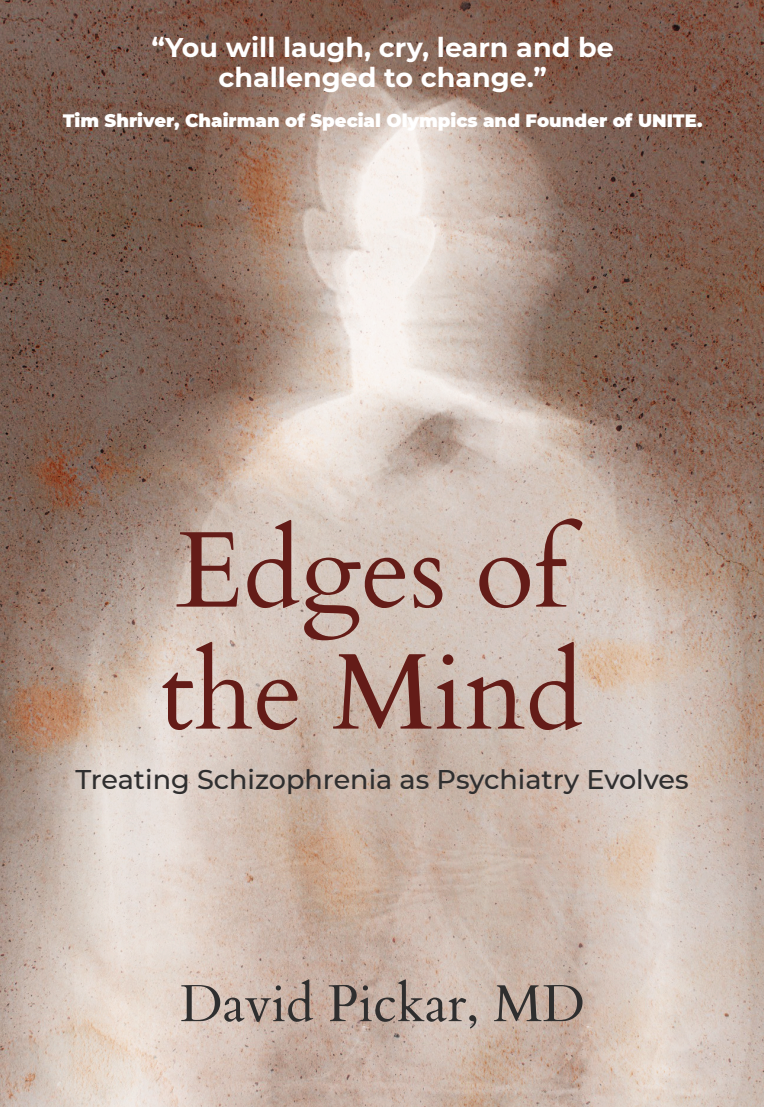
Each time I sat with a patient living with schizophrenia and tried to understand the often-painful reality of their illness, I felt a strong need to write about what I had witnessed. I did not want to write another scientific paper. I wanted to speak more directly to the people who know this illness in deeply personal ways—patients, families, and clinicians like me. After a full professional life spent caring for and learning from these patients, I have turned to the stories themselves: their stories, their families’ stories, and, inevitably, my own. Writing has long been important to me, and I believe it can offer a different kind of understanding—one rooted not only in science, but also in memory, compassion, and human connection.
My deepest hope is that families touched by schizophrenia will find something in Edges of the Mind that feels true to their own experience—moments of recognition, moments of difficulty, and, I hope, moments of encouragement. I want them to know that those of us who have cared for people with this illness have not stopped searching for better ways to help. My patients have meant a great deal to me throughout my life and career, and I hope that affection and respect are evident in these pages. I also hope that some patients will read the book and feel less alone, knowing that I—and many others—continue to work on their behalf. Finally, I hope students who are still finding their professional direction may read it and perhaps discover in these stories a path toward caring for people with schizophrenia.